Nulab
Summary
Nulab builds project management and collaboration tools used by 4M teams globally — Backlog, Cacoo, NulabFlowbase, and NulabPass. A market leader in Japan, the company was expanding into US and EU markets when I joined. I was brought in to solve a specific problem: technically strong products that were visually dated and hard to sell to Western audiences. I owned the design layer that faced the market — product visual language, feature storytelling, web presence, and AI feature launches — and built a team of five designers to scale the work.
- Role
- Senior Product Designer, Nulab
- Scope
- Global expansion web, product visual strategy, AI feature launches, team of 5 designers, US/EU market focus
- Highlights
- Western market entry, product visual language, AI launch design, design team leadership
Context & Challenge
Nulab’s product suite had grown into four separate SaaS products with fragmented experiences, legacy visuals, and a dated market perception—particularly in US/EU enterprise accounts. At the same time, AI was reshaping customer expectations, but many existing customers were skeptical of autonomy, privacy, and the real value of AI features.
The challenge was to:
- Modernize the multi-product ecosystem and visual identity without disrupting existing users.
- Introduce AI capabilities in a way that enterprise customers would trust and adopt.
- Improve cross-sell and web funnel performance in key markets while building sustainable design operations.
My Role & Responsibilities
As Senior Product Designer, I:
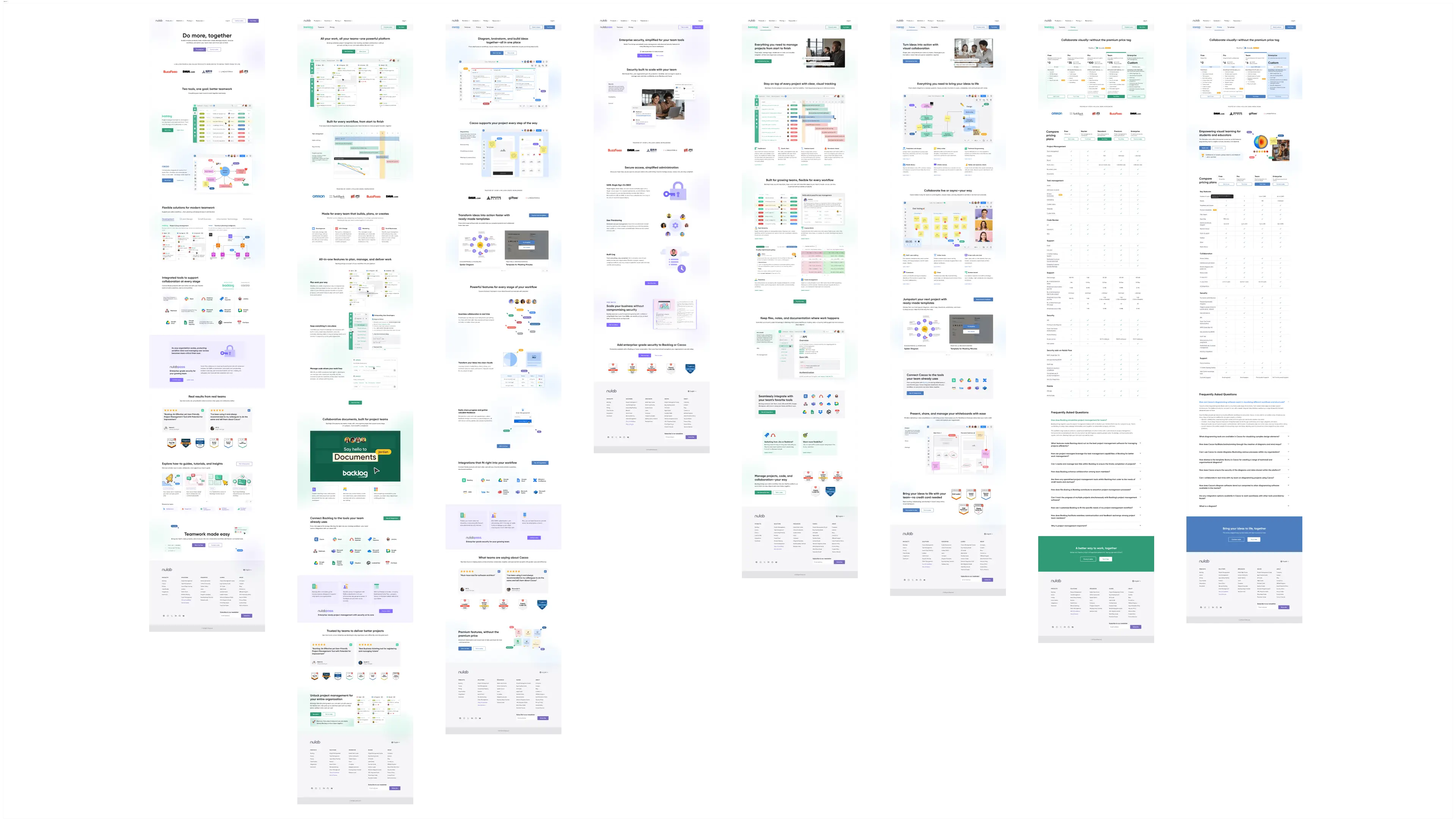
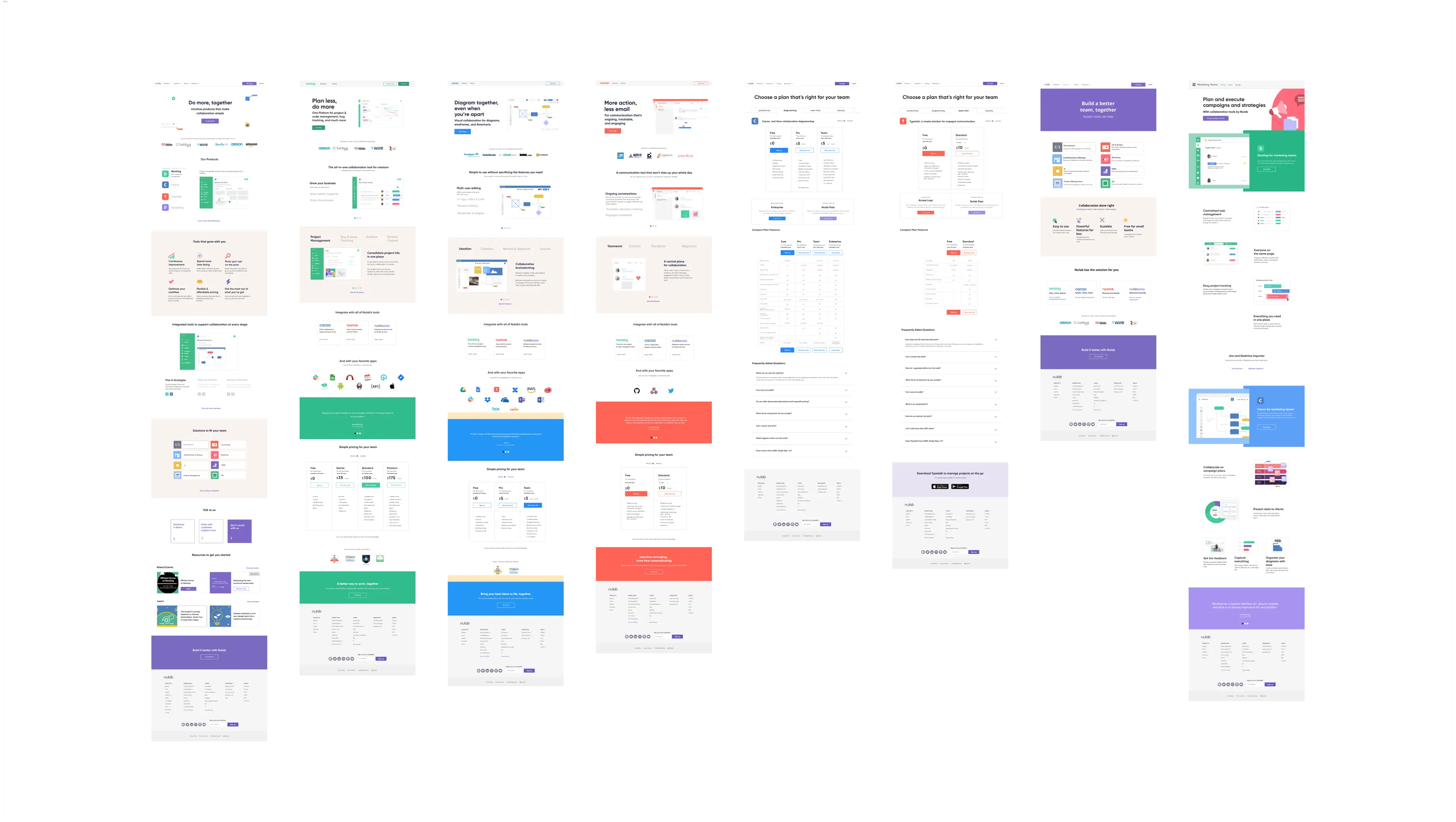
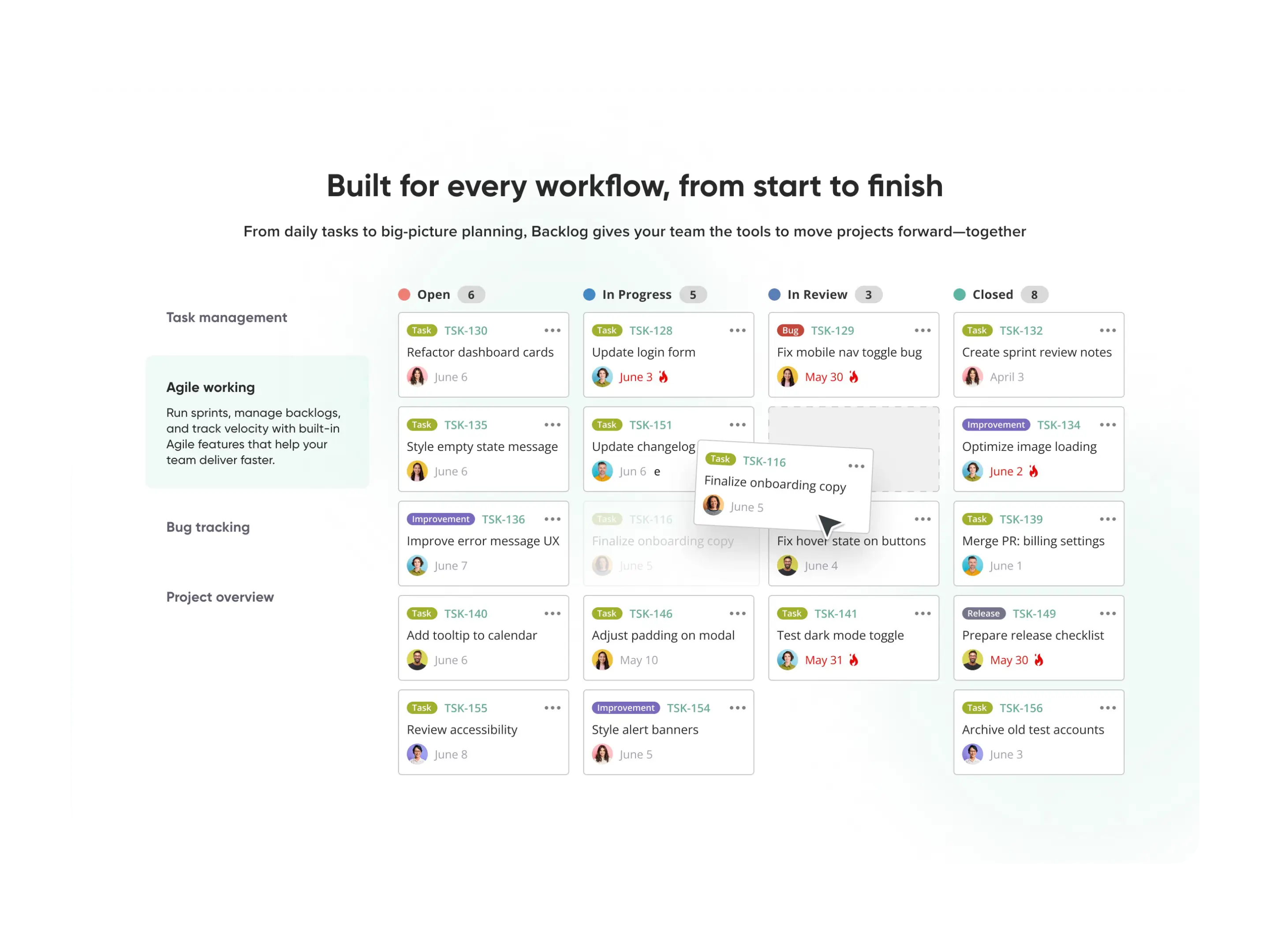
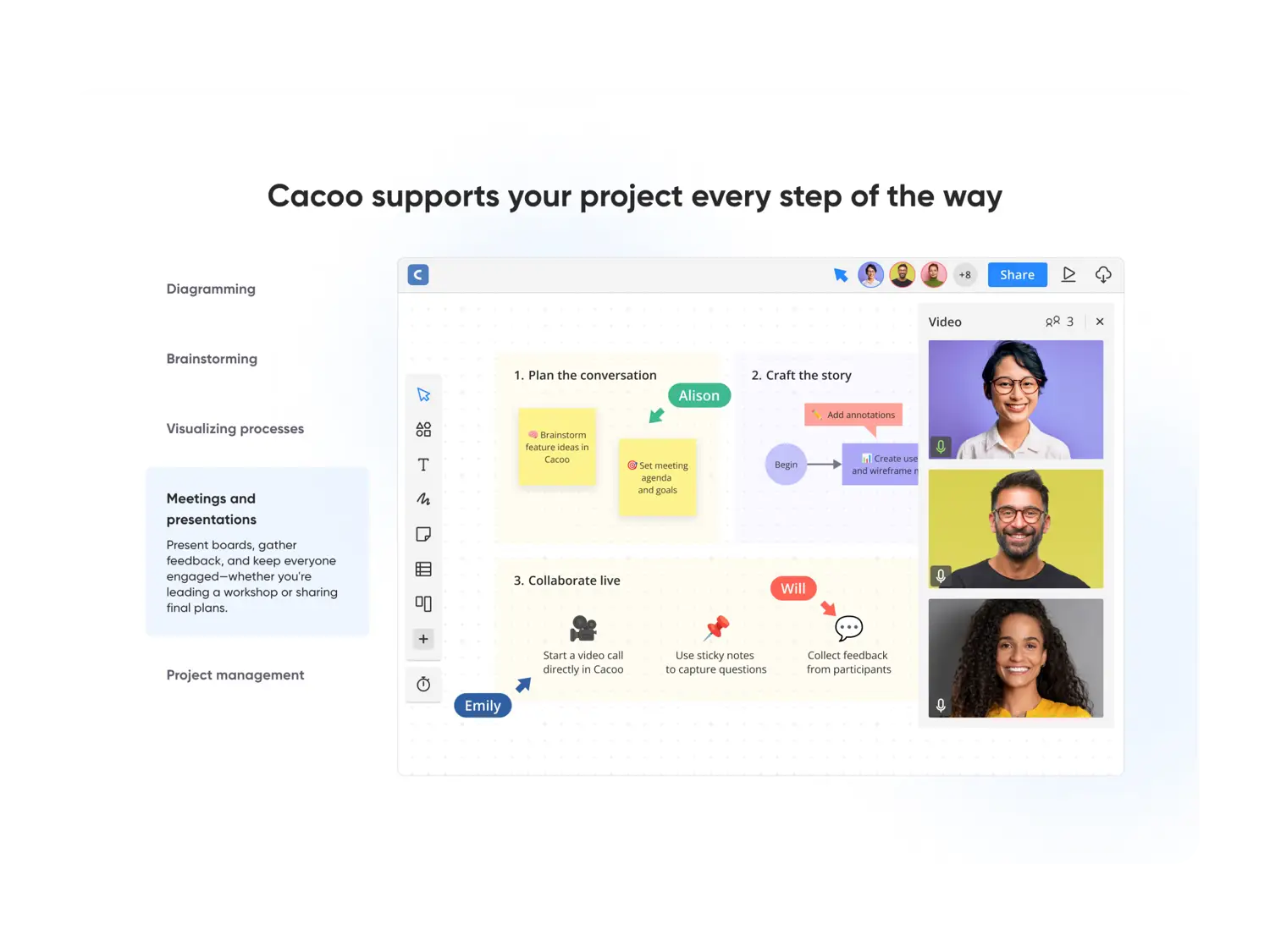
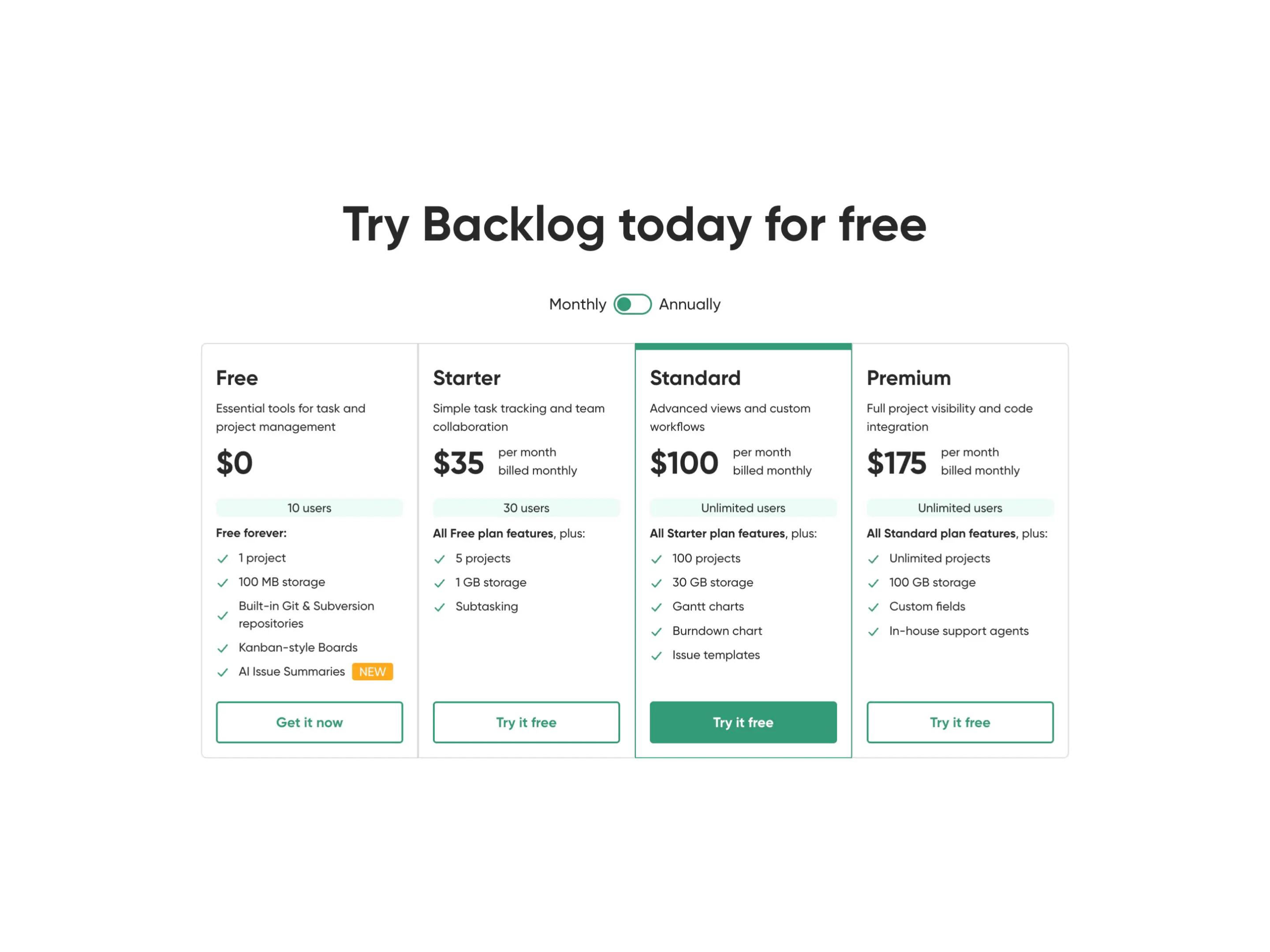
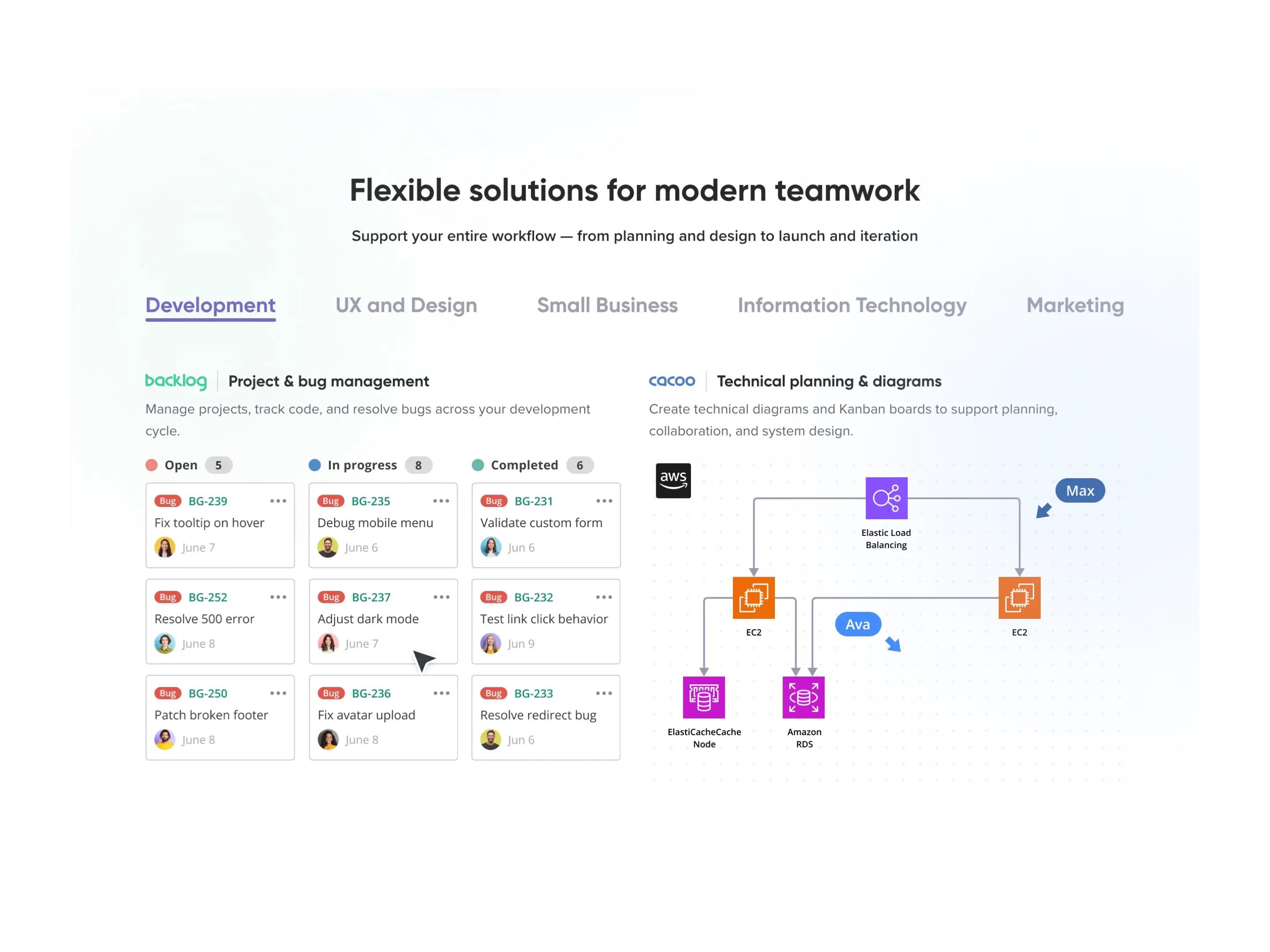
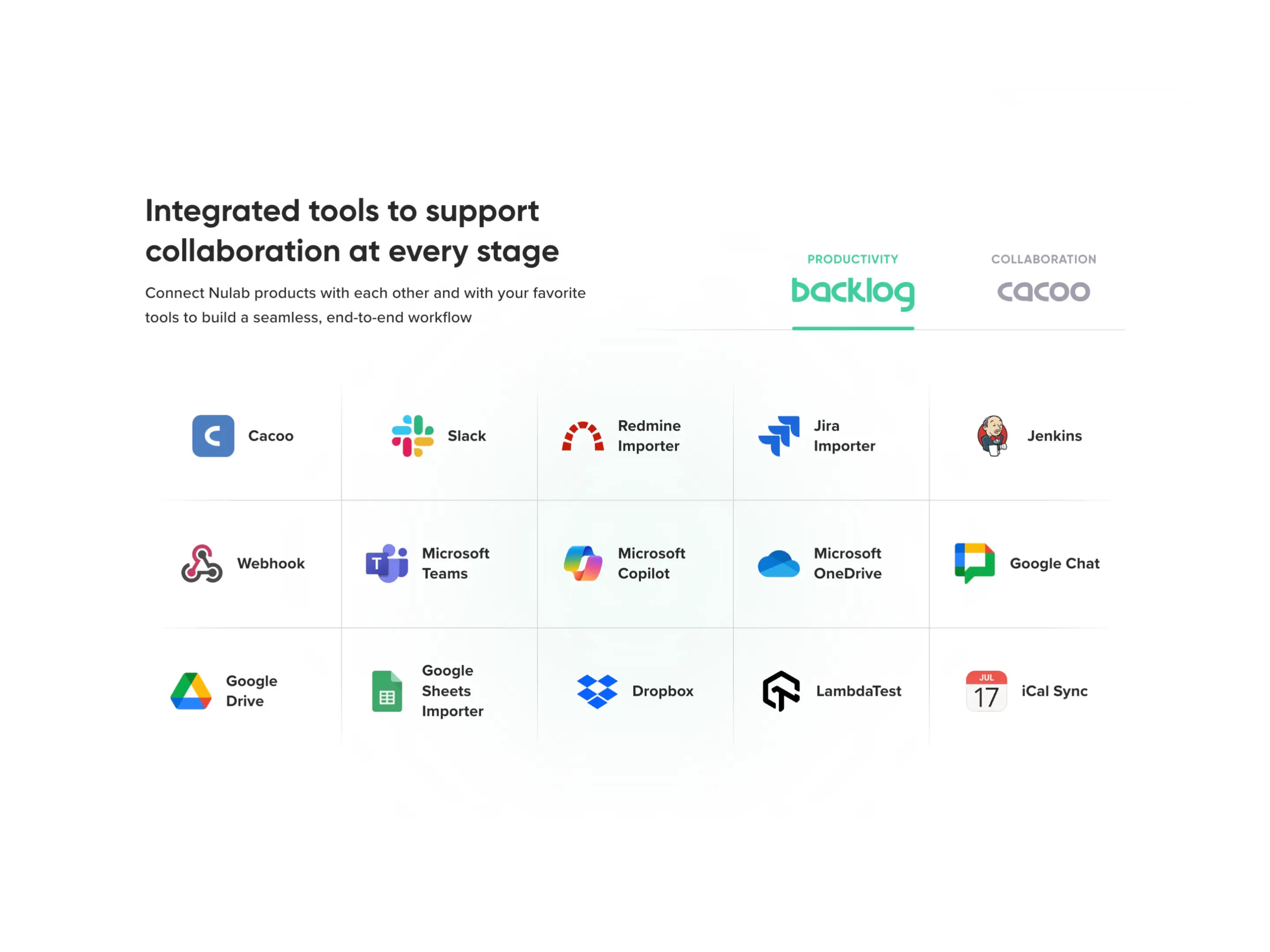
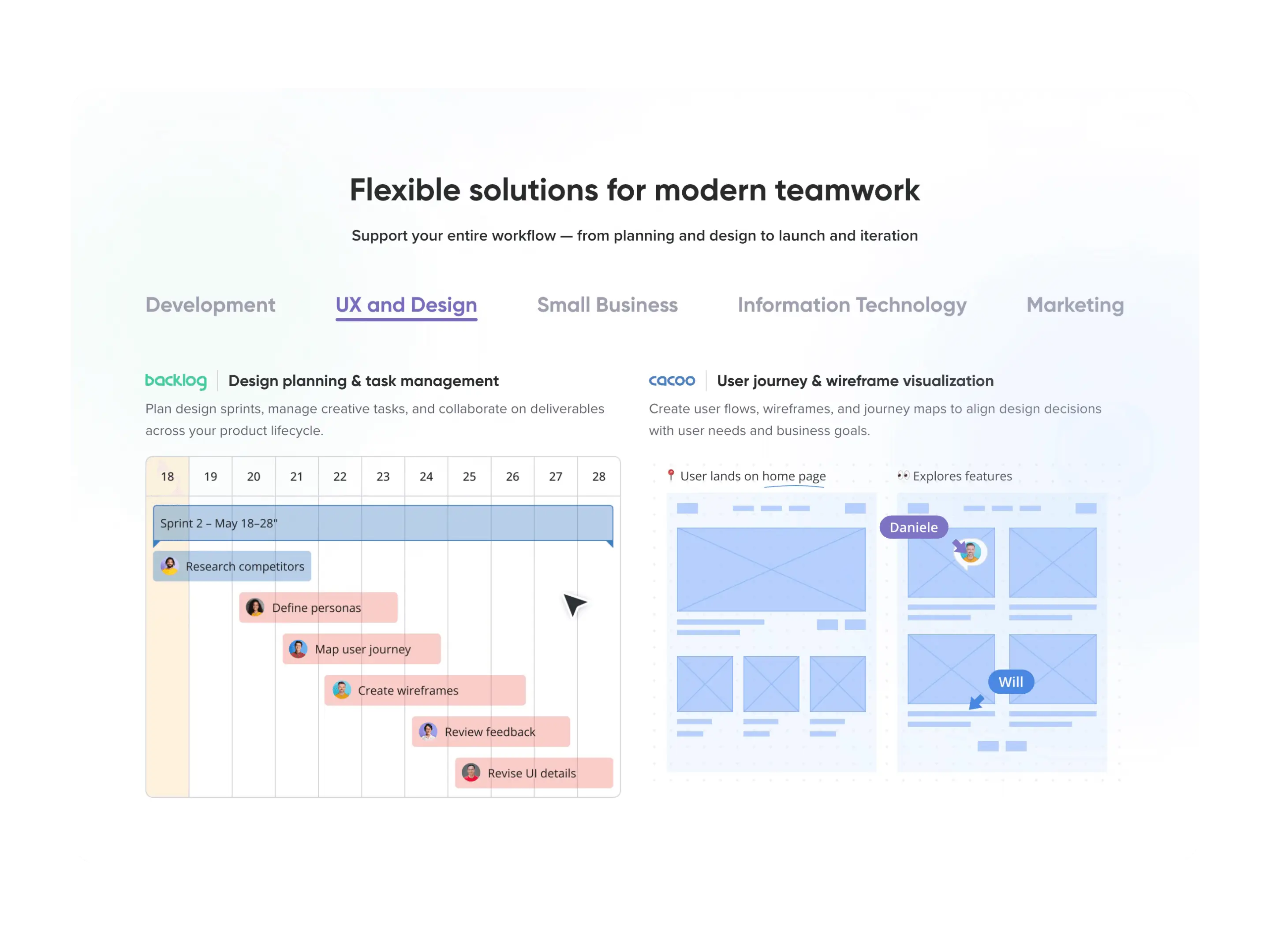
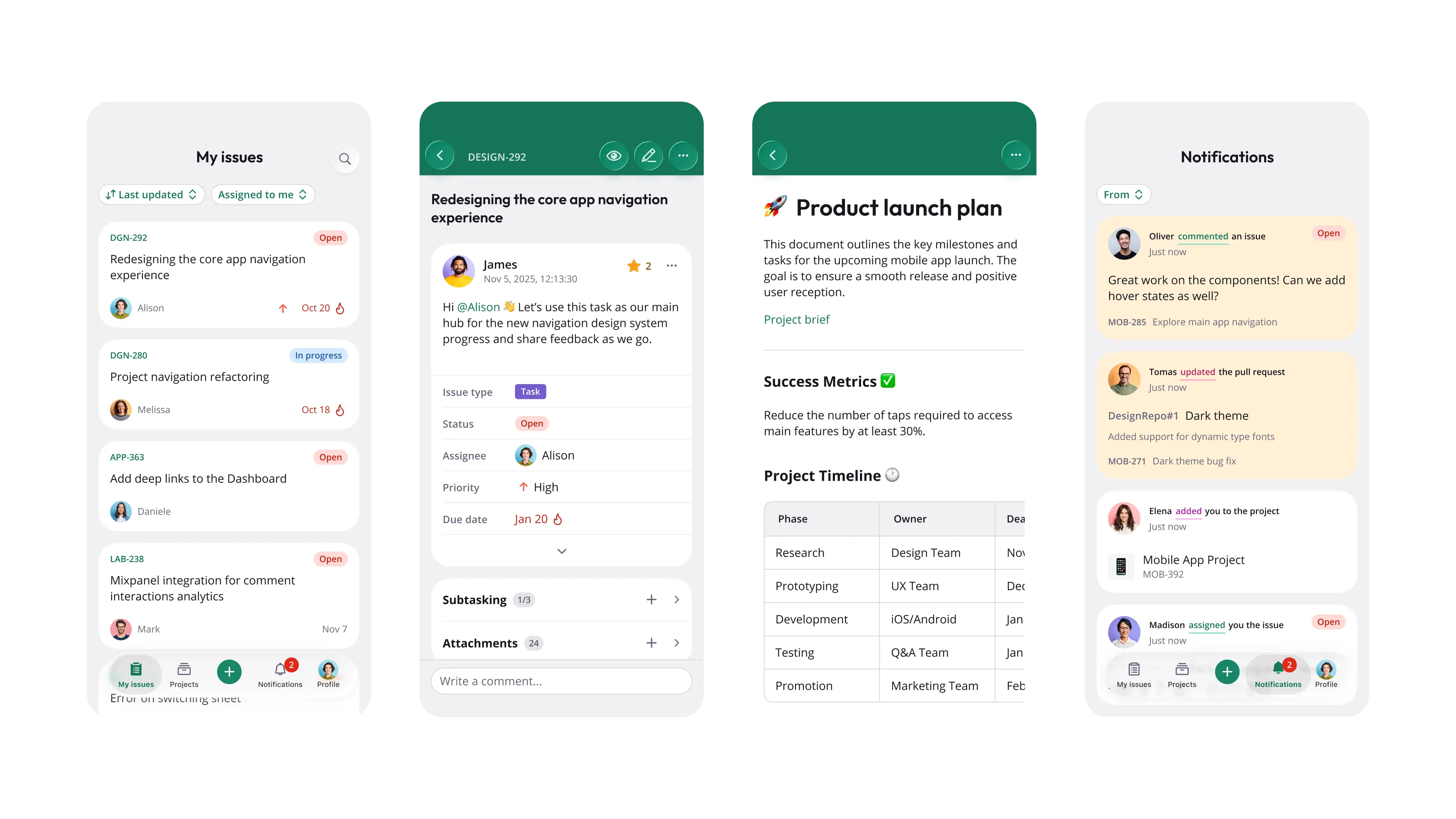
- Defined the visual language and product presentation strategy for Western market entry — shifting cluttered legacy UI screenshots to a simplified, modern feature storytelling approach
- Designed and shipped the major website overhaul (September 2022) that formed the foundation of Nulab's US/EU market entry; continued owning all new product pages, campaign pages, and feature launch surfaces
- Directed motion and interaction storytelling — hired and directed a motion designer, authored storyboards for UI animations and micro-interactions, some of which were later adapted into the product itself
- Designed icons and UI patterns for the cross-product design system; contributed to shared visual standards across Backlog, Cacoo, and NulabPass
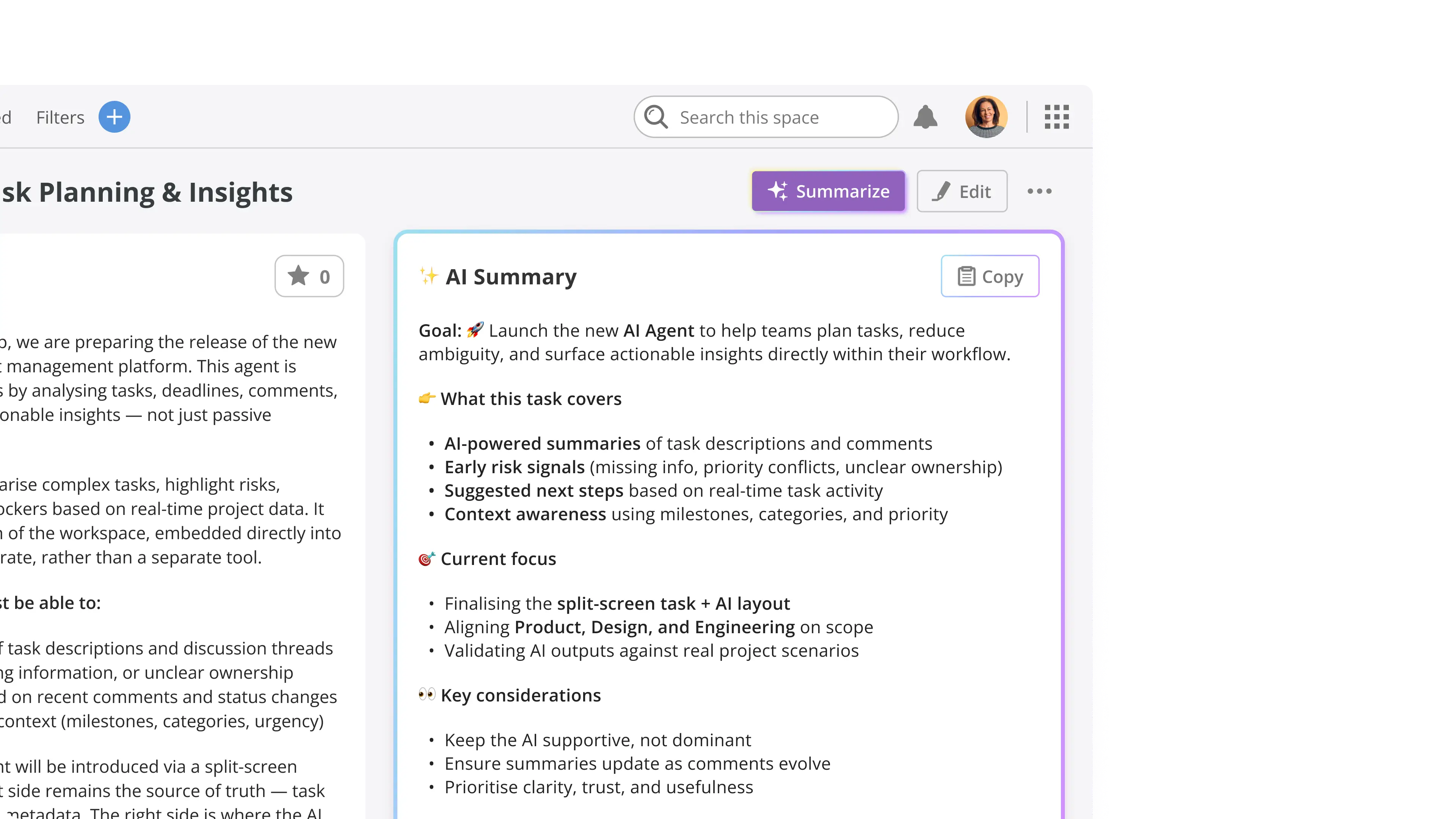
- Supported AI feature releases (Task Summarisation and AI Assistant) through design reviews, pre-release testing, and the design of all launch and education surface
- Built and led a team of 5 designers (web, visual, motion, and contractors) — full hiring cycle, onboarding, performance management, and exits. Reported to the Co-founder.
Approach
1. Grounding AI and ecosystem strategy in real enterprise needs
- Supported the product team's initiative of 25+ interviews with enterprise customers to understand adoption barriers around AI
- Synthesised insights into core concerns (autonomy, privacy, control, and "black box" AI) and opportunities (productivity, clarity, and team alignment)
- Applied these insights to design all AI feature launch surfaces — landing pages, explainer content, and education materials — building an approval-first trust narrative: AI proposes, humans approve
2. Modernising how the products are presented and understood
- Identified that legacy UI screenshots were making strong products look outdated and hard to sell
- Defined a simplified product visual strategy — individual feature focus, purposeful placeholders, clean layouts — replacing cluttered legacy visuals across the entire web presence
- Directed a motion designer to create UI animations and micro-interaction videos that communicated the product's interaction quality and aspirational UI feel
3. Evolving the design system and building the team
- Contributed to design system expansion — designed icons, UI patterns, and interaction storyboards that were shared across products
- Grew the design team from sole designer to 5 (web, visual, motion, contractors); owned the full hiring, onboarding, and performance management cycle
- Established team rituals: standups, design reviews, handoff processes, and quality standards — reducing design review bottlenecks by 40% through clear domain ownership
4. Experimenting and optimizing the web funnel
- Designed and ran A/B tests comparing animated vs. static product visuals
- Iterated on web layouts, messaging hierarchy, and interaction details to improve engagement and conversion across the global site
Impact
Ecosystem & market entry: Led all design for Nulab's US/EU expansion — the September 2022 website overhaul formed the foundation of the company's Western market presence and was the primary design contribution to a cross-functional programme delivering $800K in incremental ARR.
AI adoption: Designed all launch and education surfaces for Backlog AI Task Summarisation and AI Assistant, positioning AI features clearly for enterprise customers sceptical of automation.
Engagement & conversion:
- A/B tests on animated vs. static product visuals delivered 35% higher engagement and an 18% conversion lift
- Web optimisation contributed to a 16% increase in web conversion and a 22% reduction in bounce rate
Design operations: Reduced design review bottlenecks by 40% through delegated team ownership and clear domain accountability.
Team leadership: Built and led a team of 5 designers from scratch — hired, onboarded, developed, and managed all of them.